Style guide
The disposable camera look, explained
Droproll Lab · 8 Sept 2026
Hard flash, warm colour, soft corners and framing nobody checked. What the look is made of, and how to get it on a roll here.
A single use camera has one shutter speed, one aperture and one flash. Nearly everything people like about the pictures it makes comes from what it cannot do.
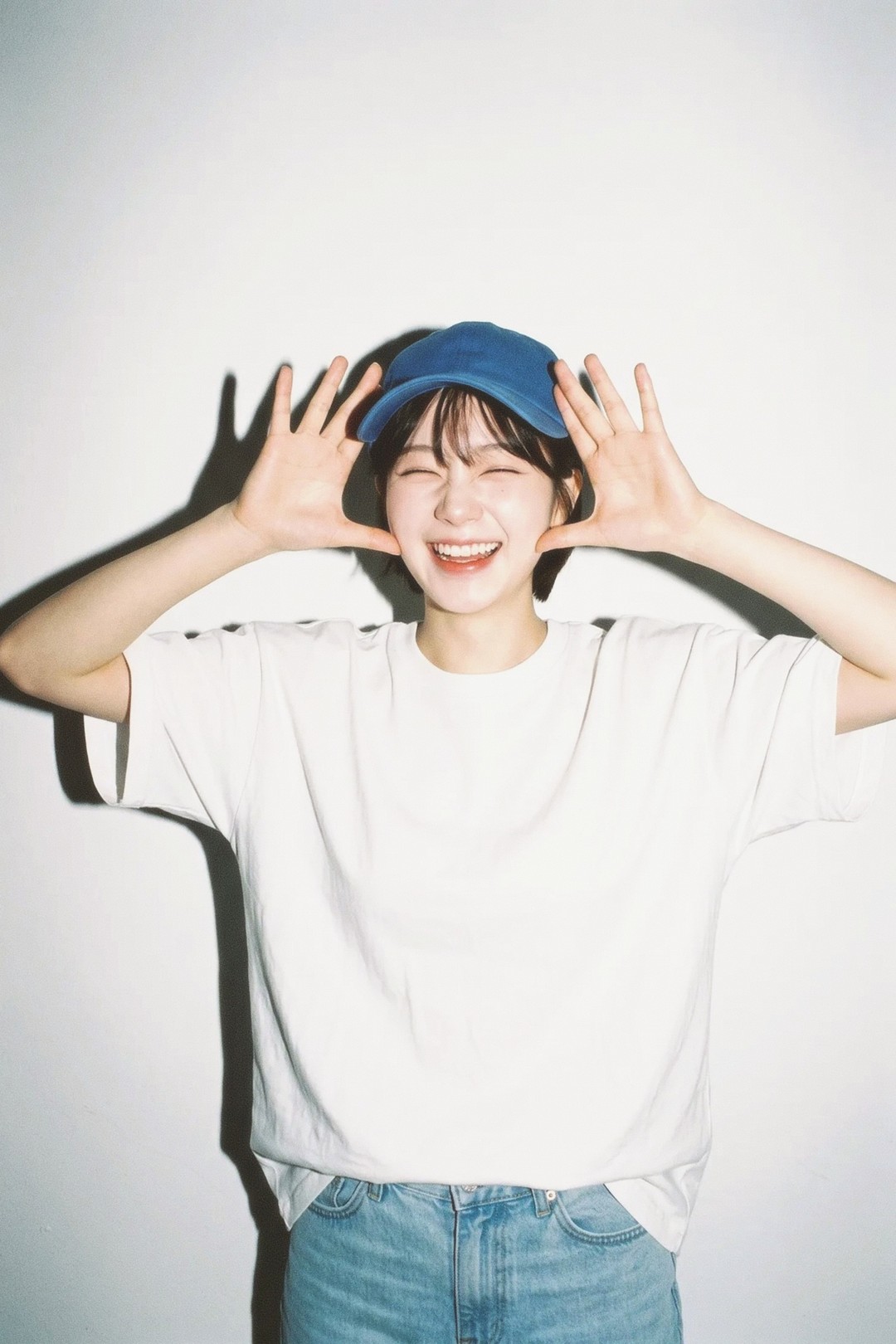
What it is
The look is four things arriving together. Copy one of them on its own and it does not read.
- A flash an inch from the lens. The subject is lit flat and bright, the wall right behind them takes a hard shadow, and anything four or five steps further back goes dark.
- Warm colour. Everyday colour negative film is built to make skin look healthy in poor light, so the frame leans yellow and red instead of correcting itself to neutral.
- Soft, dark corners. A small plastic lens does not hold the edge of the frame the way a good one does.
- Framing nobody checked. There is no screen on the back. You point, you press, and the picture is whatever the viewfinder was roughly aimed at.
The last one does most of the work, and it is the one people leave out. A crooked horizon and a head slightly off centre are not mistakes in this look. They are the evidence that whoever was holding the camera was busy doing something else.
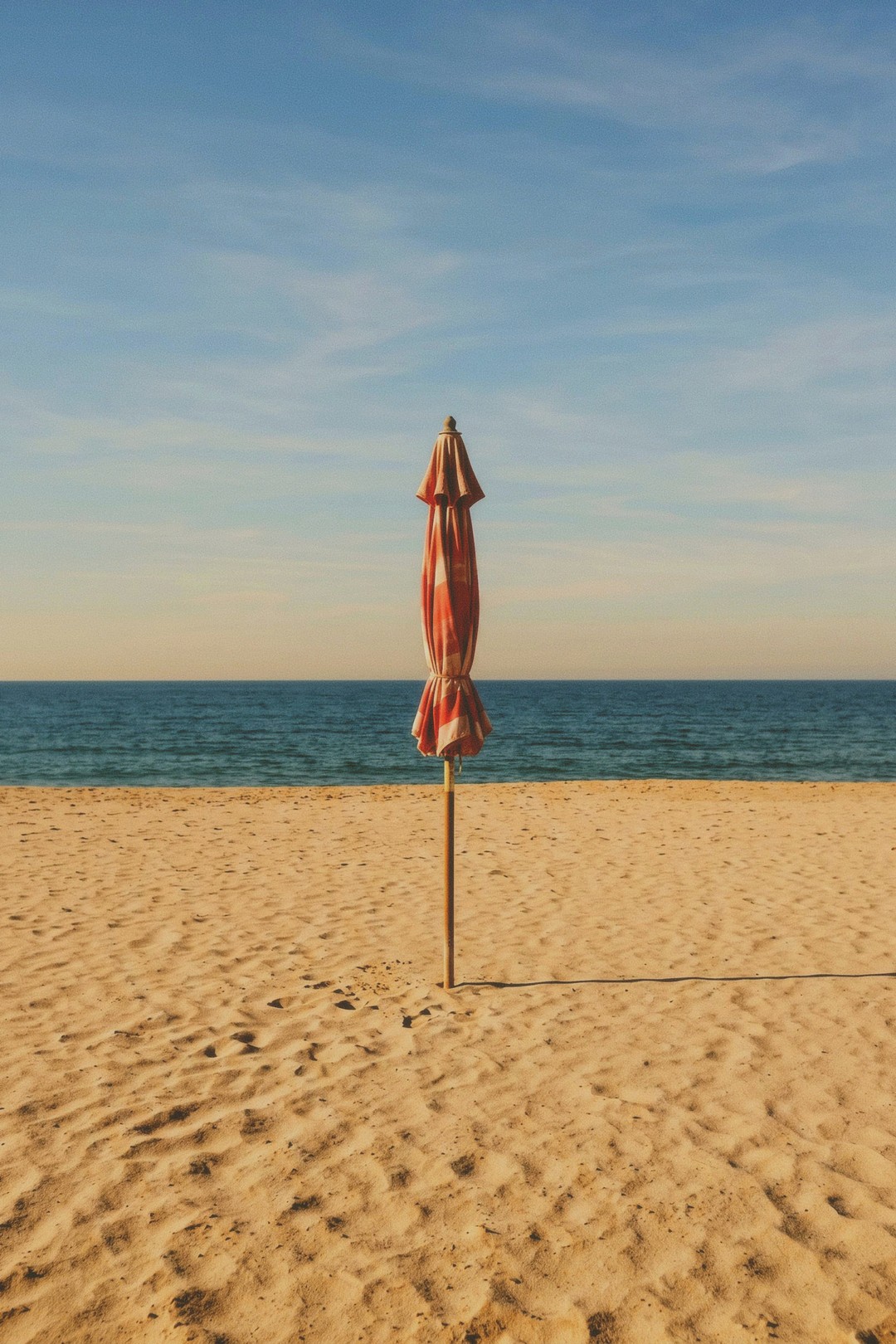
Where it comes from
A single use camera is sold loaded and goes back to the lab whole. Fixed focus, one aperture, one shutter speed, and a flash you charge by hand with a switch on the front. There is no meter and no focus ring, so there is nothing to set and nothing to fuss over.
That is also why the pictures look the way they do. A camera with one setting takes the same photograph in a kitchen at midnight as it does on a beach at four in the afternoon, and leaves the film to sort out the difference. Half the charm is the film covering for the camera.
How to get it at Droproll
Load Aurra 200 for the warm version, or Filo 200 if you want it cooler and a little green. Both are everyday colour negatives, which is the right family of film for this.
Then set the camera up to be dumb on purpose:
- Turn FLASH on in the viewfinder. On the front camera the screen itself fires. On the back we use the phone's torch, where the browser lets us.
- Stand close. Two steps from your subject, not five. The reach is short, and the darkness behind them is the point.
- Leave the lens at 35mm and the aperture at f/8. Wide and stopped down is what those cameras were.
- Leave DATE on.
- Shoot at night, indoors, in a car, in a lift. Flash in the dark is where this look lives.
Then stop composing. Raise the phone and press. You cannot see the frame afterwards anyway, so there is nothing to check.
What it will not do
Two honest limits.
Our house films add no vignette. The dark corners of a real single use camera come from its lens, and we do not fake one on the shelf. If you want them, they are a dial somebody sets when they mix a community stock.
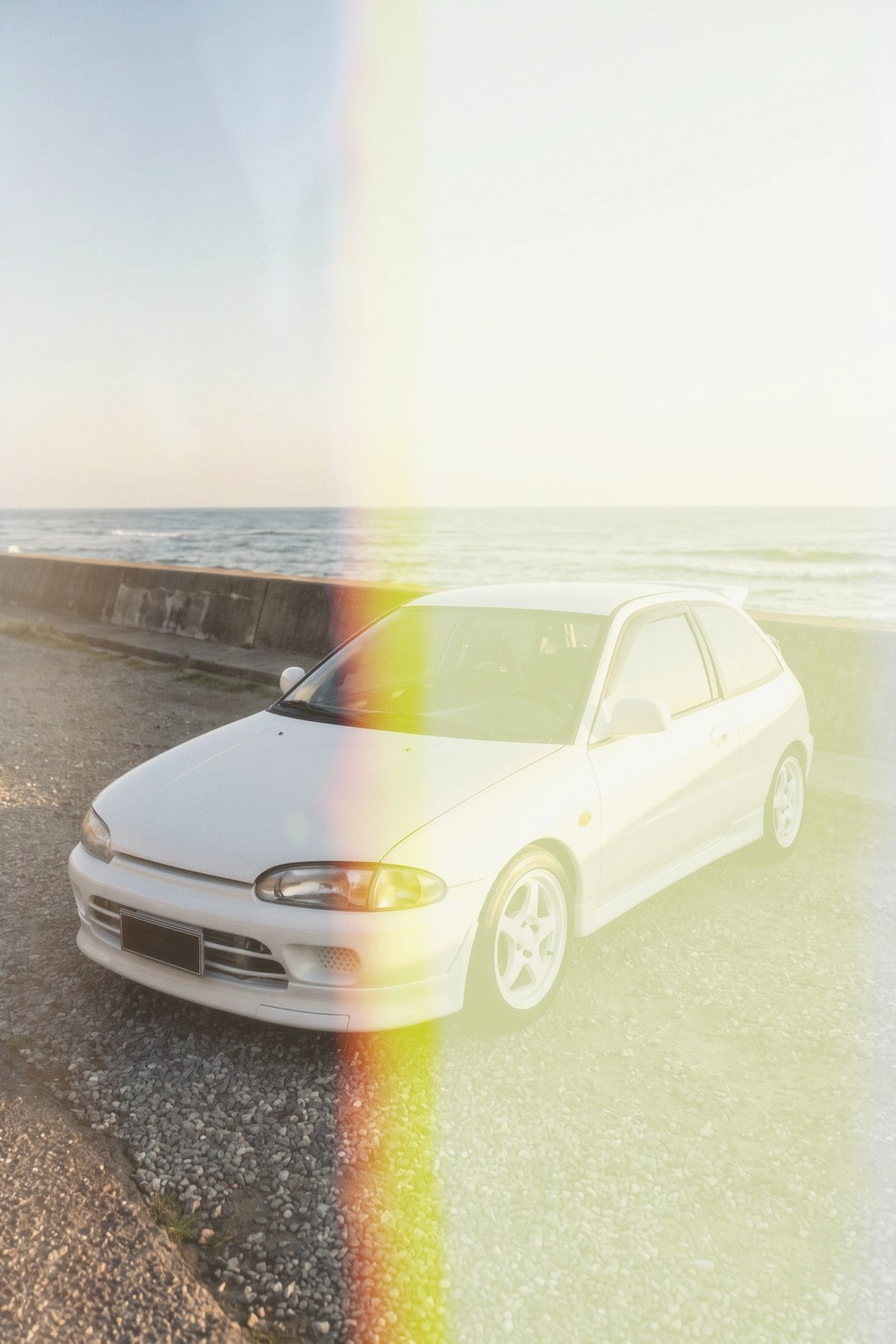
Light leaks are not on a switch either. The lab draws one on roughly two frames in a hundred, and several times more often on the first two frames of a roll, because that is where a real leak lands when a camera is loaded in daylight. You cannot order one. It arrives or it does not.
What to expect
A roll like this comes back uneven, and that is the correct result. Some frames will be too dark. One will have a thumb in it. The three or four that work will look better than they would have if you had been careful, because nothing in them was arranged.
Load a warm everyday stock, keep the flash on, stand closer than feels polite, and send the roll in when it is full.
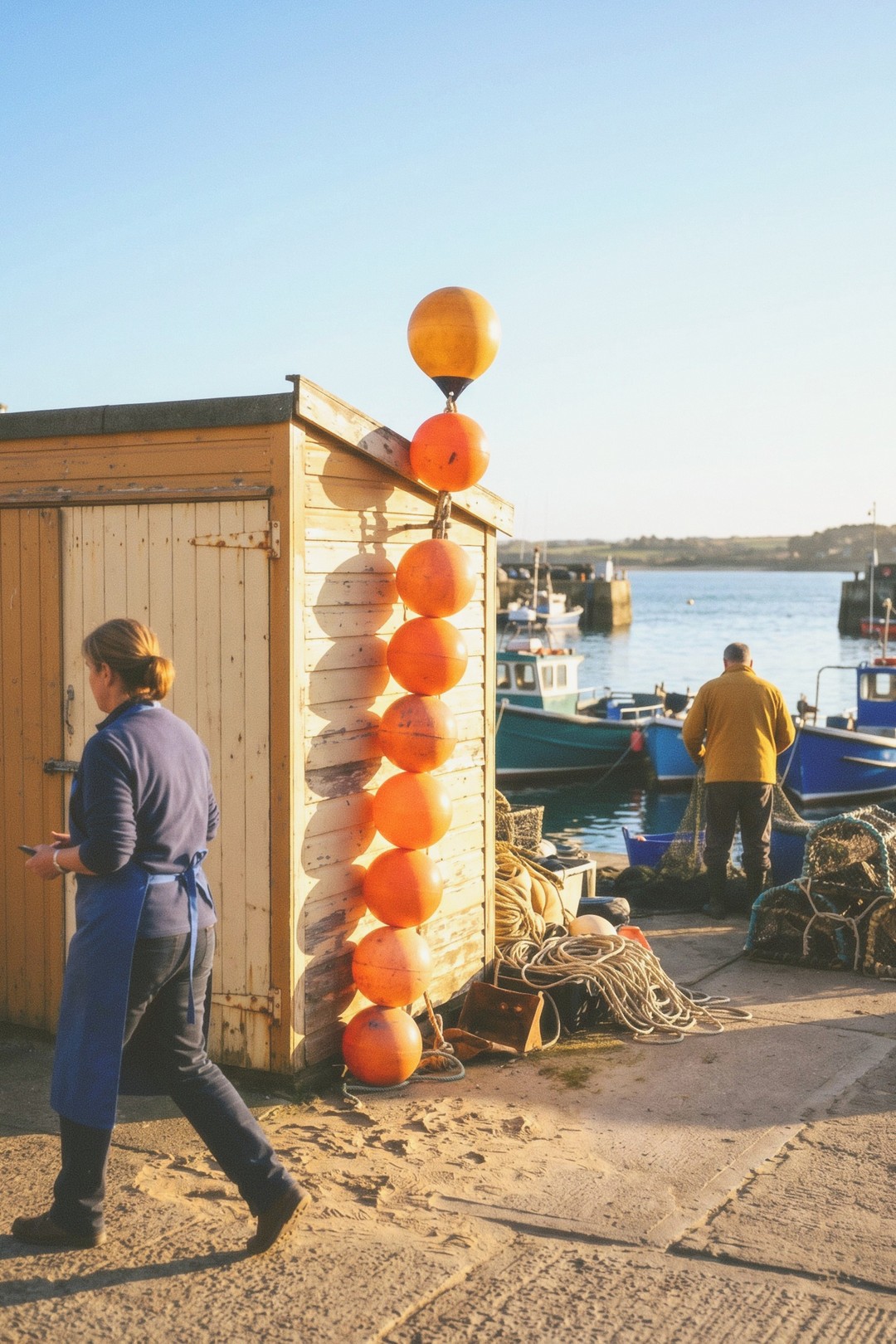
Try it
- Aurra 200house filmLoad this film →
- Filo 200house filmLoad this film →
Also in Style guide

Style guide · 9 Sept 2026
The warm consumer colour negative look
What the supermarket box of colour film does to yellow, red and blue, why it reads as memory, and the light it needs to work on a phone.
Style guide · 8 Sept 2026
What is the 90s point and shoot flash look
A bright subject, a background that falls away, and a hard shadow on the wall behind. Where the look came from and how to shoot it here.
Style guide · 8 Sept 2026
Pastel portrait film: the look, and how to get it on your phone
Low contrast, light shadows, colour that never shouts. The light that makes a pastel portrait, the film that holds it, and what ruins it.