Stock notes
Mira 400 · stock notes
Droproll Lab · 8 Sept 2026
What Mira 400 does to skin, to a coloured wall, to grass and to hard sun, read off one public roll of fifteen frames.
Mira 400 is the stock to reach for when there is a person in the frame and you would rather not think about colour at all.

What it is
ISO 400, 35mm, C-41 colour negative, 36 exposures. Our take on the look of Kodak Portra 400. There is a medium format version, Mira 400 (120), which is the same colour on a wider gate and sixteen frames instead of thirty six.
Everything below is read off one public roll of fifteen frames, developed here on 8 September.
On skin
This is the whole point of the stock. Faces come back slightly warm, evenly lit and low in contrast, and they hold that whatever is going on behind them. In the frame above, the wall is about as saturated as a wall gets, and the face beside it is still a normal face.
The same thing happens in reverse against a warm wall. The wall stays warm and the skin does not follow it.
That steadiness is the useful part. On a stock that swings, you have to think about what colour is behind a person before you press. On this one you can stop thinking about it and put them where the light is good.

In hard sun
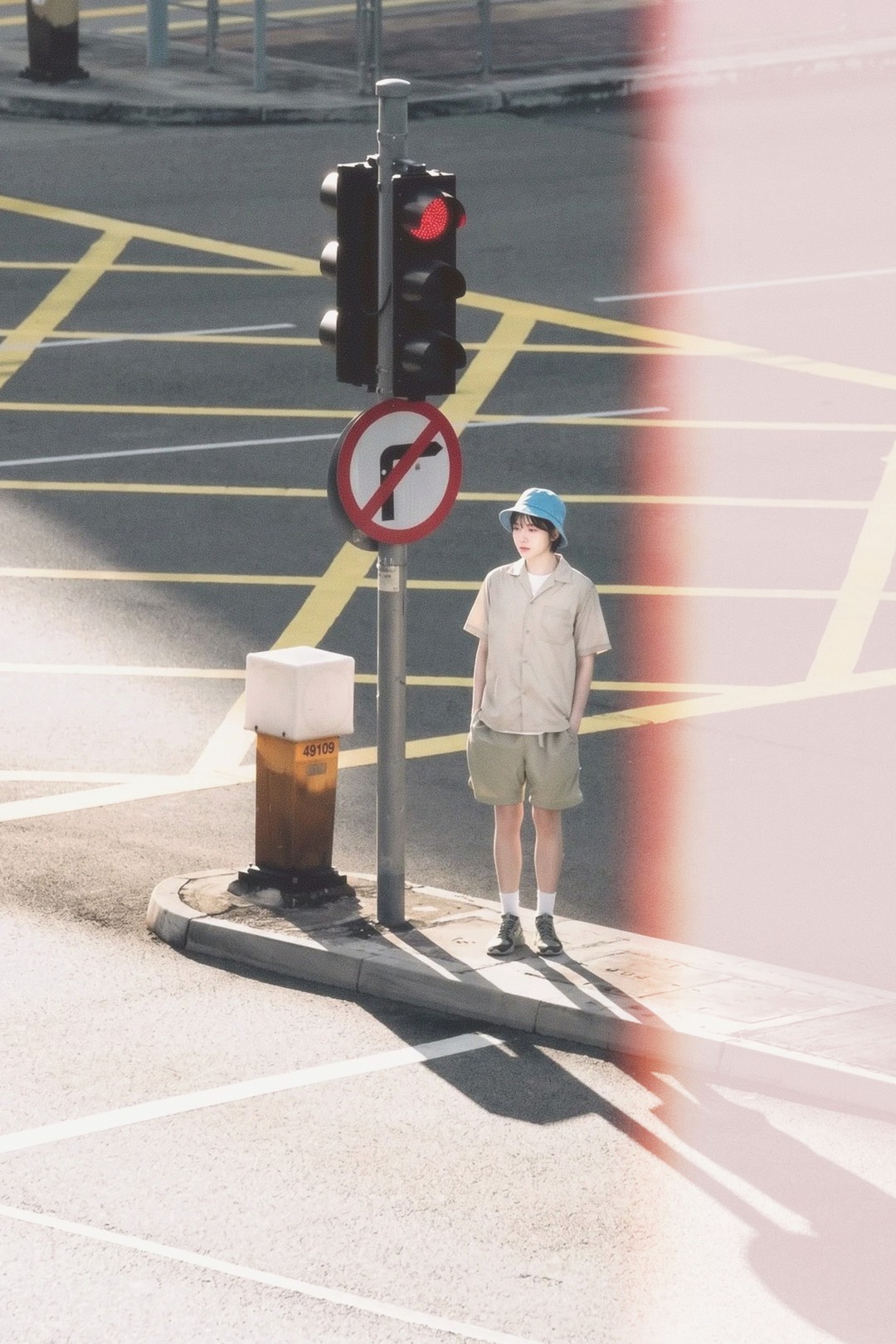
Mira 400 does not fight midday light, it just keeps the shadows open. On the street frame below, the sun is high and the shadows are long, and there is still detail in them rather than a black shape.
Notice the pink band down the right hand edge. That is the kind of light leak the lab draws on a small number of frames, and it is not something the shooter did or can ask for.
On green
Grass comes back as a slightly muted green rather than a vivid one. This is the stock being consistent: it will not push a colour just because there is a lot of it in the frame. If you want loud green, that is Verdi 400 or a slide film.

On red
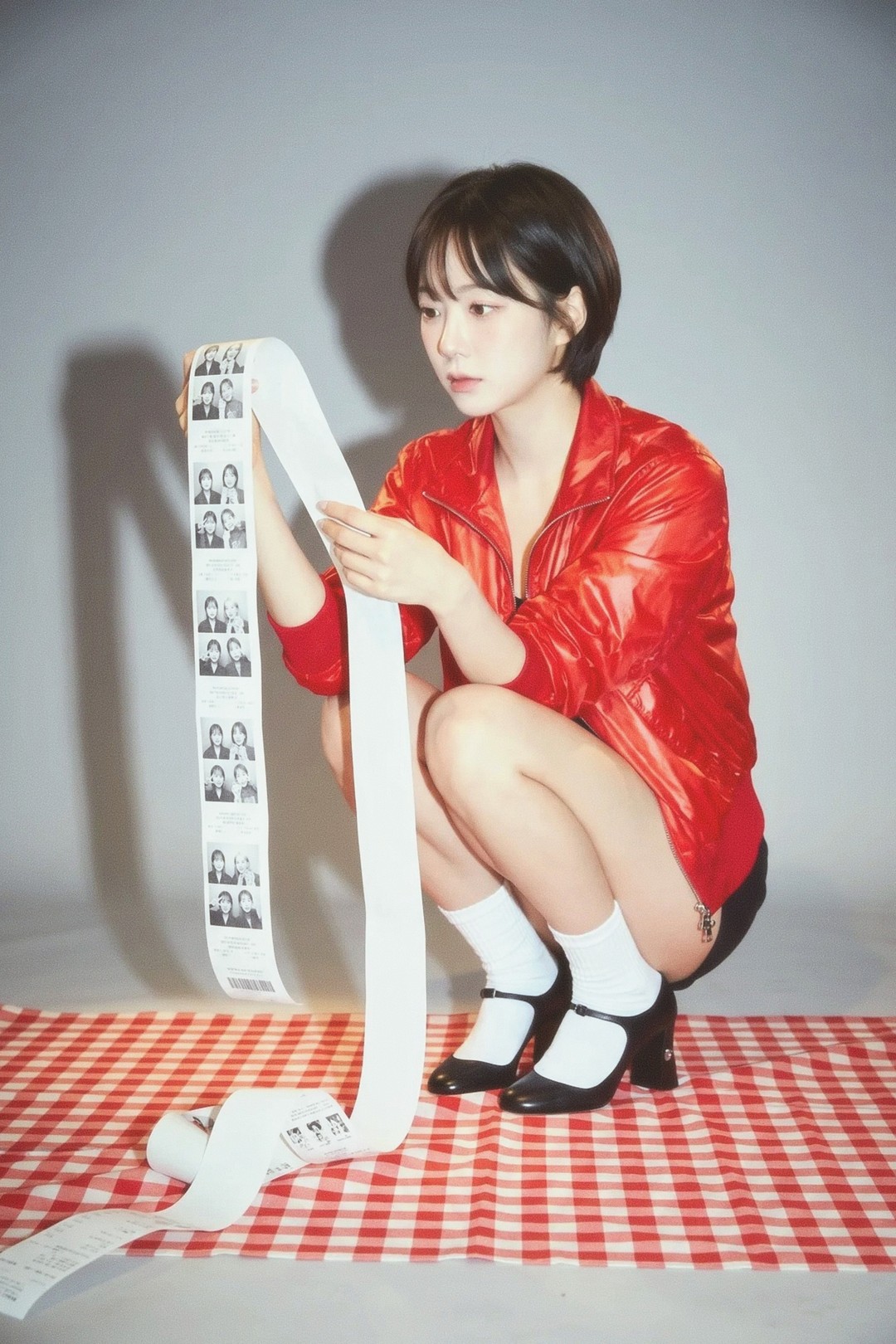
Red is the one colour that gets close to the top of the scale here. A red jacket or a red cloth will be the brightest, most solid thing in the picture and will pull the eye straight to it. Worth knowing when you dress somebody.
Indoors, and at night
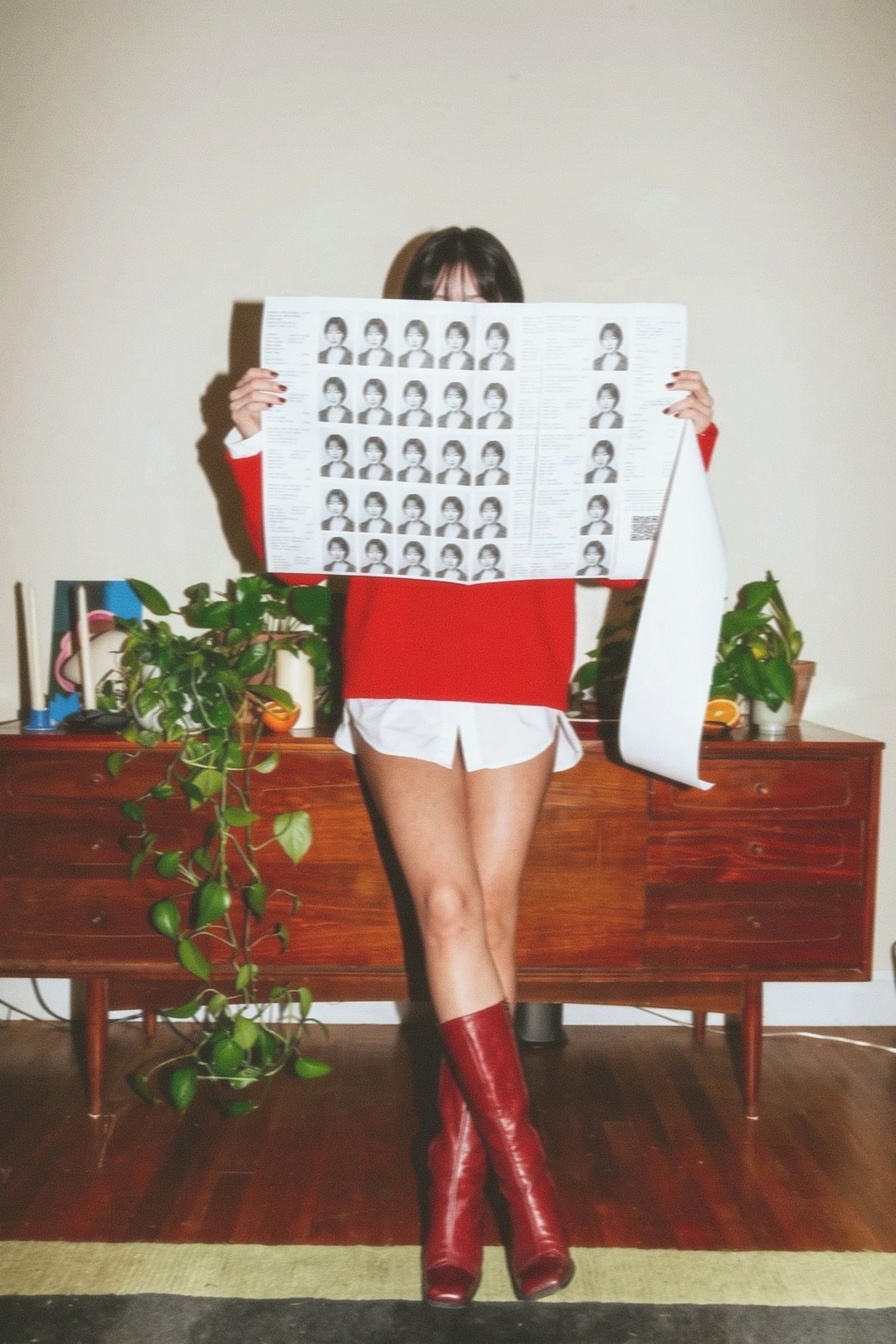
At ISO 400 with the grain the lab draws for a 400 stock, an indoor frame gets texture in the shadows. It is a step coarser than our 200 stocks and a step finer than the 800. In a lit room it reads as film. In a dark bar it reads as a dark bar.
Warm bulbs stay warm. Mira 400 will not neutralise a tungsten room for you, and it is not trying to. If you want that split between a cold window and a warm lamp to be the subject, load CineT 800 instead.
How it develops here
Every house film goes through the same finish: the stock's own colour, then the lens, then whatever accident the frame drew, then a faint warm veil and a red spill around bright edges, then grain. On Mira 400 all of that is set gently. Nothing in the develop is trying to be the point of the picture.
What to load it for
Portraits in shade, people against strong colour, an ordinary day where you want the pictures to look like the day rather than like a treatment. It is the least dramatic stock on the shelf, and that is the reason to use it.
What it is not for: landscapes that need punch, night streets, or anything where you want the film itself to be the effect.
Try it
- Mira 400house filmLoad this film →
- Mira 400 (120)house filmLoad this film →